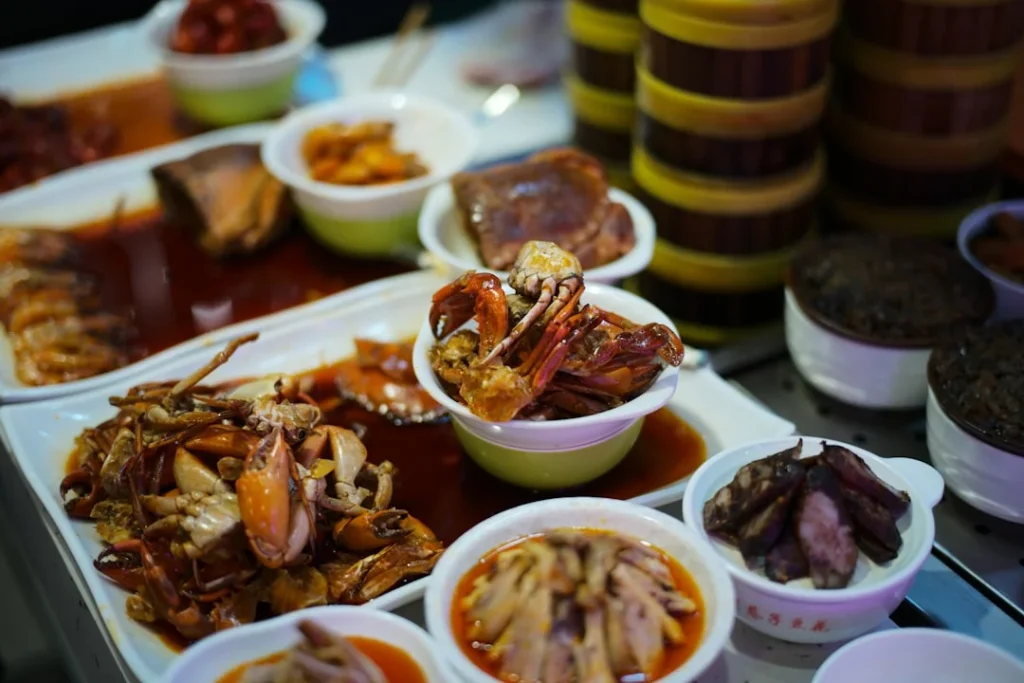
Why Nanning’s Food Scene Deserves Your Attention
Nestled in southern China’s tropical heartland, Nanning—the “Green City” of Guangxi—boasts a culinary identity as vibrant as its lush landscapes. As the capital of Guangxi Zhuang Autonomous Region, this city blends Han Chinese traditions with indigenous Zhuang, Yao, and Dong ethnic influences, creating a flavor profile unlike anywhere else in China. Forget generic Chinese food; Nanning’s cuisine is defined by bold sour-spicy notes, river-fresh ingredients, and tropical fruit infusions. Whether you’re navigating bustling street markets or family-run jiudian (eateries), these dishes tell stories of mountain foragers, river fishermen, and centuries-old fermentation secrets. Here’s your essential guide to eating like a true Nanning local.
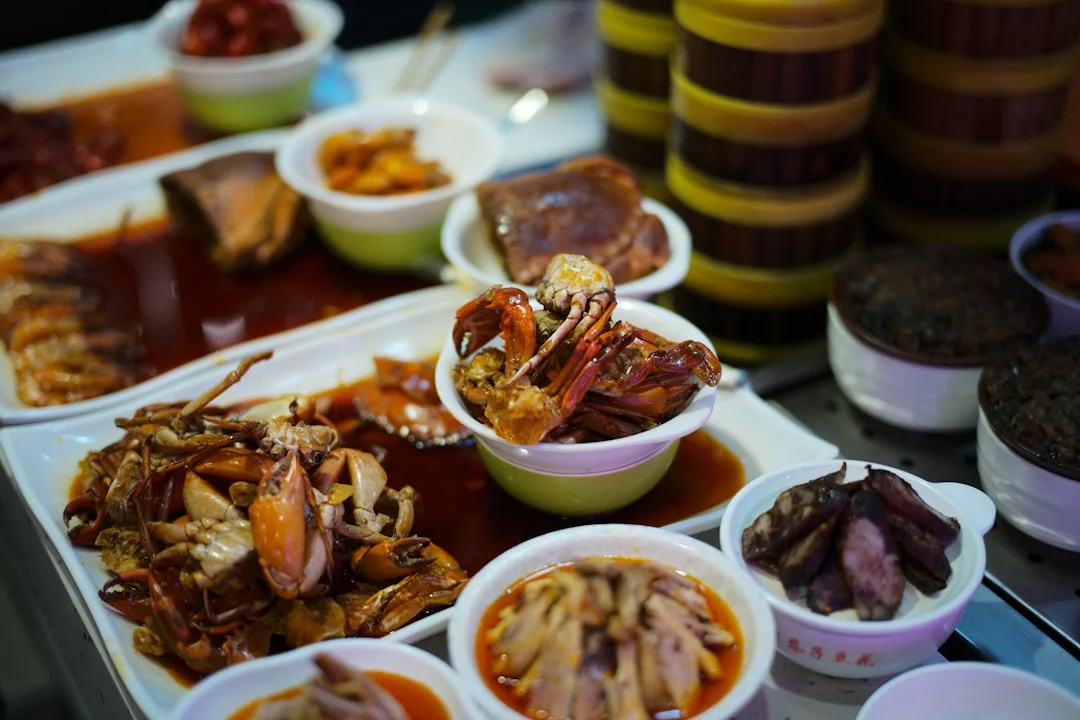
Iconic Dishes You Can’t Miss in Nanning
Nanning’s food culture revolves around communal eating, street-side snacking, and dishes that balance suan (sour), la (spicy), and umami. These aren’t just meals—they’re cultural experiences.
1. Luosifen (River Snail Rice Noodles)
Despite its misleading name (it contains no actual snail meat!), this is Nanning’s crown jewel. The broth simmers river snails with pork bones, star anise, and fermented bamboo shoots for days, creating an addictive sour-spicy depth. Served with slippery rice noodles, pickled greens, peanuts, and chili oil, it’s a breakfast staple that fuels the city. What makes Nanning’s version special? Local artisans use ma zhu (spiky bamboo shoots) from the Yong River basin, fermented for 30+ days to achieve that signature tang.
Pro Tip: Skip chain restaurants—head to Jianzheng Night Market around 7 AM when locals queue for Lao Wei Luosifen. Add extra pickled long beans for crunch!
2. Zengpi Chicken (Lotus Leaf-Wrapped Chicken)
A Zhuang ethnic specialty, this dish showcases Nanning’s agricultural ingenuity. Tender chicken marinated with ginger, mushrooms, and glutinous rice is wrapped in fresh lotus leaves, then steamed until the leaves’ aroma permeates the meat. The result? Juicy, herbal-scented poultry with subtly sweet rice—a contrast to the region’s spicier fare.
Where to Try: Nanning Zhuang Garden Restaurant in Qingxiu District serves it with wild mountain herbs foraged that morning.
3. Nanning Lao You Fen (“Old Friend” Rice Noodles)
Don’t confuse this with Luosifen! Lao You Fen is Nanning’s answer to comfort food. Its broth gets complexity from suan cai (sour mustard tuber), garlic, chilies, and black beans stir-fried until fragrant, then drowned in pork bone broth. The name comes from a 1920s tale of a vendor who created it for a sick regular customer—hence “old friend” flavor.
Key Difference: Less sour than Luosifen, with a pronounced garlic-chili kick. Best eaten midday when broth is freshly made.
Hidden Gems Beyond the Headlines
While Luosifen dominates travel blogs, these authentic specialties reveal Nanning’s culinary soul:
Lemon Duck (Suan Tang Ya)
Guangxi’s most famous dish outside Nanning, but perfected here. Local ducks are braised with preserved lemons (actually wumei—smoked plums), ginger, and chili. The “lemon” sourness cuts through the rich meat, creating a harmonious sweet-sour-spicy profile. Unlike tourist-trap versions, authentic preparations use Yongning lemons grown in Nanning’s suburbs.
Youmian (Fried Wontons)
These aren’t your average wontons. Nanning’s version features thin-skinned parcels stuffed with shrimp or pork, deep-fried until blistered, then served with a tangy vinegar-dipping sauce. Find them at Binjiang Road stalls around 3 PM—a classic afternoon snack.
Tropical Fruit Adventures
Nanning’s climate yields fruits you won’t find elsewhere. Must-tries include:
- Longan: Honey-sweet “dragon eye” fruit, best chilled at Chaoyang Market
- Mangosteen: Purple-skinned “queen of fruits” with juicy segments
- Sugar Cane Juice: Fresh-pressed at street carts, often spiked with ginger
Where to Eat Like a Local (Not a Tourist)
Nanning’s magic happens off the beaten path. Avoid hotel restaurants and follow these insider strategies:
Night Markets: The Heartbeat of Nanning Dining
Forget sterile food courts—Nanning’s street food thrives in chaotic, aromatic markets:
- Jianzheng Night Market: Arrive by 6:30 PM for Luosifen before crowds. Look for stalls with bubbling cauldrons and locals elbow-deep in noodles.
- Zhongshan Road: Focuses on snacks—try banh bot loc (tapioca dumplings) from Vietnamese migrants.
- Riverside Stalls near Qingxiu Mountain: For fresh river fish grilled over charcoal.
Breakfast Culture: Rise Early for Authenticity
Nanning locals eat breakfast like it’s a religion. By 9 AM, the best spots sell out. Must-dos:
- 7:00 AM: Queue for zongzi (sticky rice dumplings) at Nanning Old Town
- 8:00 AM: Sip xianguo juice (bitter gourd smoothie) at Minsheng Road stalls
- Avoid: Restaurants open after 10 AM—they cater to tourists, not locals
Essential Tips for Nanning Food Explorers
Maximize your culinary adventure with these cultural insights:
Navigating Flavors Like a Pro
Guangxi cuisine is notoriously spicy and sour. Adjust to local palates with these hacks:
- “Bu la” (不辣) = “No spice”—but expect mild heat. Say “wei la” (微辣) for “just a little”
- Order bai kai shui (plain boiled water) to cool your mouth—it’s free!
- Embrace the sour: suan cai (pickles) aid digestion in humid weather
Cultural Etiquette to Know
Respect local customs to eat authentically:
- Never stick chopsticks upright in rice—it resembles funeral rites
- Clang glasses when toasting; eye contact shows respect
- Leave a little food on your plate—it signals the host provided abundantly
Seasonal Eating Guide
Nanning’s tropical climate affects ingredient availability:
- Spring (Mar-May): Bamboo shoot season—try ma zhu in Luosifen
- Summer (Jun-Aug): Fresh longan and mangosteen peak
- Autumn (Sep-Nov): Duck dishes shine as humidity drops
- Winter (Dec-Feb): Hotpot with river fish dominates
Your Nanning Food Journey Starts Now
Nanning’s cuisine isn’t just about sustenance—it’s a passport to understanding Guangxi’s soul. From the fermented tang of Luosifen to the herbal whispers of Zengpi Chicken, each bite connects you to centuries of Zhuang traditions and river-valley ingenuity. Ditch the guidebook clichés: arrive hungry at Jianzheng Market at dawn, point at what locals are eating, and embrace the glorious chaos. As Nanning chefs say, chi ba (吃吧)—”just eat!” Your taste buds will thank you long after you’ve left this green city’s humid embrace.