Unlock Foshan’s Photographic Soul: Temples and Pagodas Revealed
Foshan, the cradle of Cantonese culture and Wing Chun martial arts, hides a treasure trove of photogenic sacred sites often overlooked by mainstream travelers. While Guangzhou draws crowds, Foshan’s temple and pagoda complexes offer intimate, crowd-free opportunities to capture authentic Chinese spirituality through your lens. This guide reveals precisely where and how to photograph these cultural gems – moving beyond generic travel tips to deliver actionable insights from local photographers and cultural historians.
Foshan Ancestral Temple: Where Architecture Meets Artistry
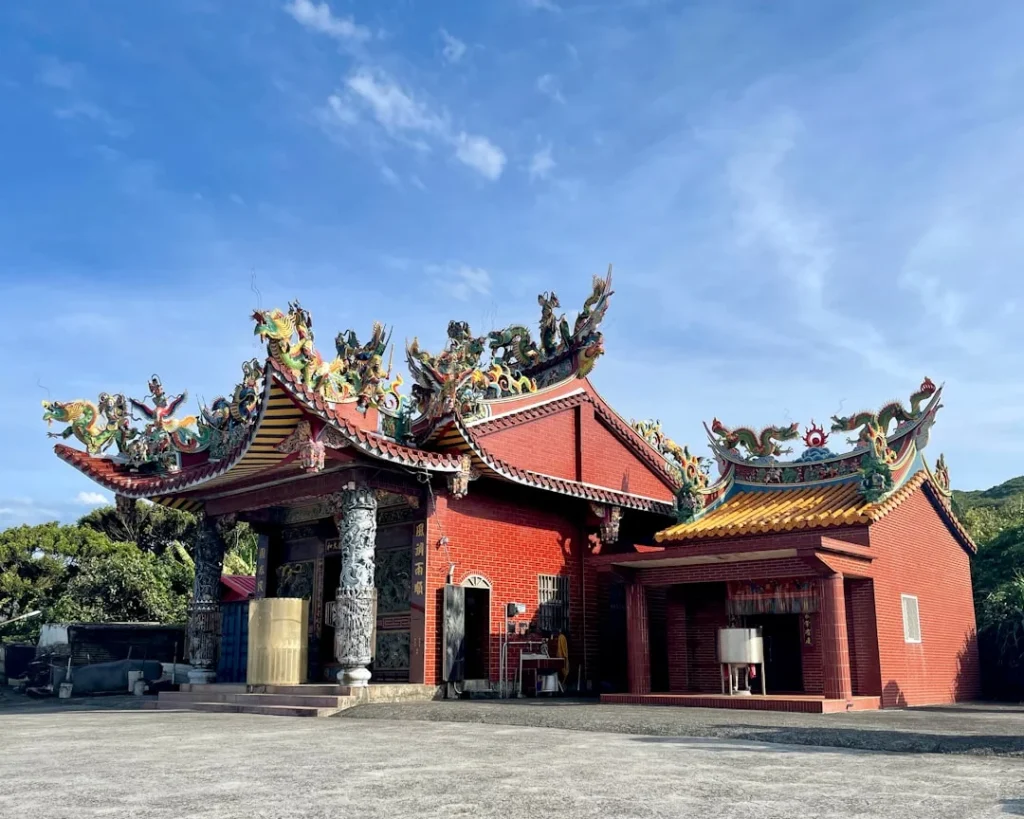
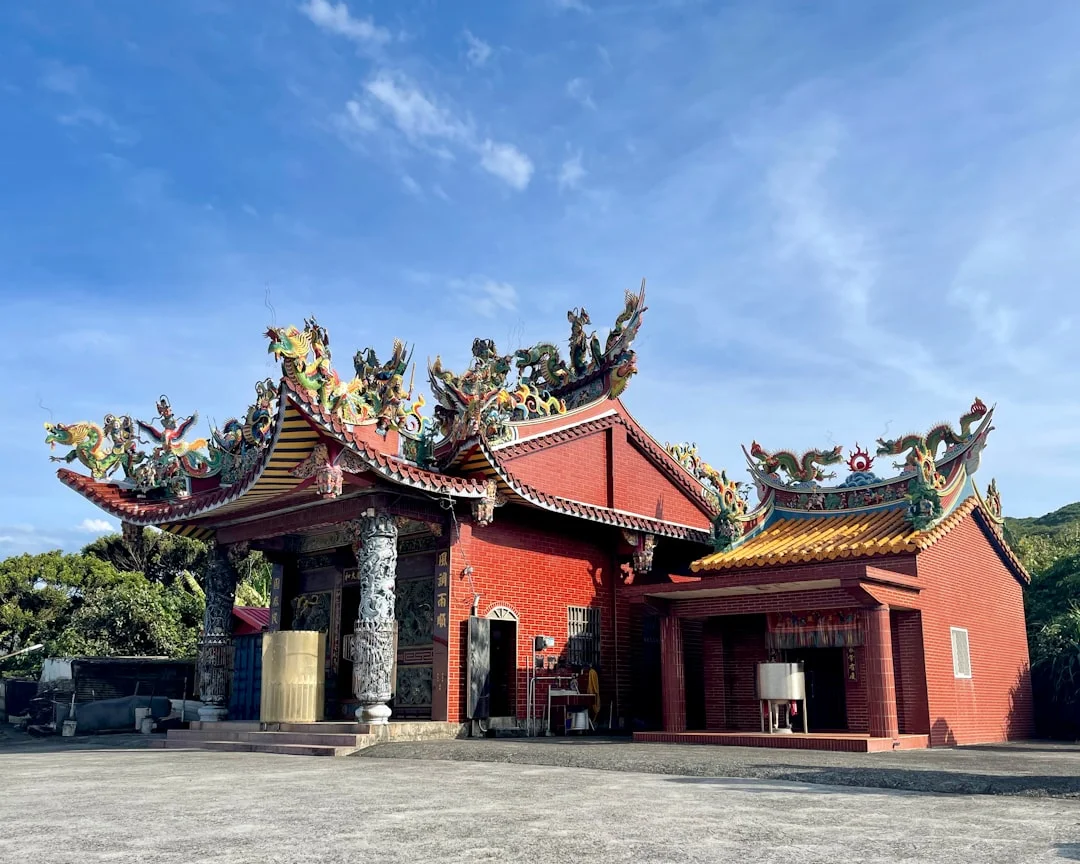
Known locally as Zu Miao, this 1,000-year-old Taoist complex is Foshan’s spiritual heart and arguably China’s most exquisitely decorated temple outside Beijing. Built during the Northern Song Dynasty, its vermilion walls and serpentine roof ridges adorned with porcelain figurines create endless compositional possibilities.
Critical Photography Zones You Can’t Miss
- The Bell Tower at Dawn: Arrive before 7 AM to capture soft, directional light illuminating the 2.5m bronze bell. Position yourself at the southwest corner for reflections in the morning dew-covered lotus pond.
- Roof Ridge Sculptures: Use a 70-200mm lens to isolate the 3,000+ Ming Dynasty porcelain figures depicting folk tales. Focus on the central ‘Dragon Chasing Pearl’ motif during mid-morning when shadows define textures.
- Incense Clouds at Golden Hour: Between 4:30-5:30 PM, position behind worshipers at the main altar. The setting sun backlights rising incense smoke, creating ethereal silhouettes against vermilion pillars.
Pro Tip: During the annual Zhongyuan Festival (July/August), masked dancers perform Nanwu rituals – secure front-row access by arriving at 8 AM when gates open. Ask the temple keeper about the “hidden” Qilin stone carving behind Hall of Three Pure Ones – rarely photographed by tourists.
Foshan Pagoda: The Overlooked Masterpiece
While often confused with Guangzhou’s more famous pagodas, Foshan’s 7-story Foshan Ta (built 1097 AD) stands as Southern China’s oldest surviving pagoda. Tucked within the lesser-known Lingji Temple complex, this Song Dynasty marvel features unique brick-wood hybrid construction – a transitional design lost in later eras.
Strategic Shooting Angles for Historical Depth
- Reflection Composition: Shoot from the northwest lotus pond at 9 AM to capture the pagoda’s inverted image with willow branches framing the scene. Use polarizing filter to reduce water glare.
- Interior Spiral Staircase: Request special access (requires 200 RMB donation) to photograph the original ceiling murals depicting celestial beings. Shoot at f/2.8 with 3200 ISO to capture details in low light.
- Seasonal Contrast: Visit in late November when ginkgo biloba trees turn golden around the base. Position low to emphasize fallen leaves against the pagoda’s weathered brickwork.
Insider Insight: The pagoda’s slight 1.2° lean (deliberate Song Dynasty engineering for earthquake resistance) creates dynamic diagonal lines. Capture this from the southeast corner using a 24mm lens – the effect is invisible to the naked eye but striking in photos.
Beyond the Obvious: Three Hidden Gems
Seasoned Foshan photographers prioritize these under-visited spots that avoid tourist crowds while delivering exceptional cultural context:
1. Nanfeng Kiln Temple Corner
Where ancient ceramic kilns meet spirituality. At the Nanfeng Ancient Kiln site, a small temple honors Kai Shan Da Ren (kiln founder). Photograph the juxtaposition of smoke-stained brickwork against fresh incense offerings at 3 PM when kiln shadows create dramatic patterns.
2. Liang Garden Pagoda Reflections
This Qing Dynasty garden’s Qingyin Pavilion functions as a de facto pagoda. Shoot from the moon gate archway at 5:15 PM for the “double reflection” effect – pagoda mirrored in both the main pond and a smaller side pool. Requires 16-35mm lens for ultra-wide capture.
3. Kuiwen Pavilion at Dusk
Often missed by temple-focused visitors, this Confucian structure near Zumiao Station features illuminated calligraphy panels after sunset. Use 1/15s shutter speed to capture lantern light trails against its curved roof.
Mastering Foshan’s Light: Technical Essentials
Foshan’s subtropical climate creates unique challenges. These location-specific techniques overcome common pitfalls:
Weather-Adaptive Shooting Plan
- Rainy Days: The Ancestral Temple’s covered corridors transform into “light tunnels”. Set ISO 800, f/4, 1/125s to capture worshipers’ colorful umbrellas against dark wood.
- Hazy Mornings: Use the “mist” to your advantage at Lingji Temple. Shoot the pagoda at 8 AM with 70-200mm telephoto to compress atmospheric perspective.
- Midday Sun: Focus on abstract details – the shadow patterns cast by temple lattice windows create natural “photo filters”. Try black-and-white conversion for high-contrast shots.
Equipment Checklist
Unlike crowded Beijing temples, Foshan allows tripods at Lingji Temple before 8 AM. Pack:
- Wide-angle (16-35mm) for interior temple shots
- Telephoto (70-200mm) to isolate pagoda details
- Polarizing filter for lotus pond reflections
- Portable LED panel (under 1000 lumens) for altar details
Crucially: Disable flash inside temples – it’s prohibited and damages ancient pigments. Use high-ISO capabilities of modern cameras instead.
Cultural Intelligence for Respectful Photography
Foshan’s living religious sites demand cultural sensitivity. Avoid these common mistakes:
- Never photograph during incense offering ceremonies (typically 7-9 AM) – wait for the “quiet hour” after 10 AM
- Ask permission before shooting monks; offer a small donation (20 RMB) for portrait rights
- Avoid tripod use near active altars – use monopod or lean against pillars
- Shoot clockwise around temple complexes (follows Buddhist ritual path)
Local photographers emphasize: “The best shots come when you participate respectfully. Light an incense stick first – monks will welcome you as a guest, not a tourist.”
Your Foshan Photography Journey Begins Now
Foshan’s temple and pagoda photography spots offer something increasingly rare: profound cultural depth without overwhelming crowds. By targeting the Ancestral Temple’s porcelain artistry at dawn, capturing the Song Dynasty pagoda’s lean at golden hour, and exploring hidden corners like the kiln temple, you’ll create images that transcend typical travel photography. Remember – the most powerful shots don’t just document architecture, but reveal the living spiritual heartbeat of Guangdong’s cultural capital. Pack your 70-200mm lens, respect local customs, and let Foshan’s ancient stones tell their story through your viewfinder.