Introduction
Xiamen is a coastal city in southeastern China known for its mix of modern life and historic charm. One of its most beloved attractions is Huan Dao Road — a scenic coastal path that wraps around Gulangyu Island’s perimeter.
This walking route offers more than just ocean views. It blends nature, culture, history, and local flavor into one unforgettable experience. Whether you’re a traveler planning your first visit or a return visitor looking to explore deeper, this guide will help you make the most of your journey.
In this article, we’ll cover everything from how to get there and what to wear, to hidden photo spots and the best time to avoid crowds. You’ll also learn about the cultural landmarks along Xiamen Huan Dao Road and how locals interact with this special place every day.
Let’s dive in and discover why this seaside stroll has become a must-do for visitors to Xiamen.
Why Huan Dao Road Is Worth Your Time
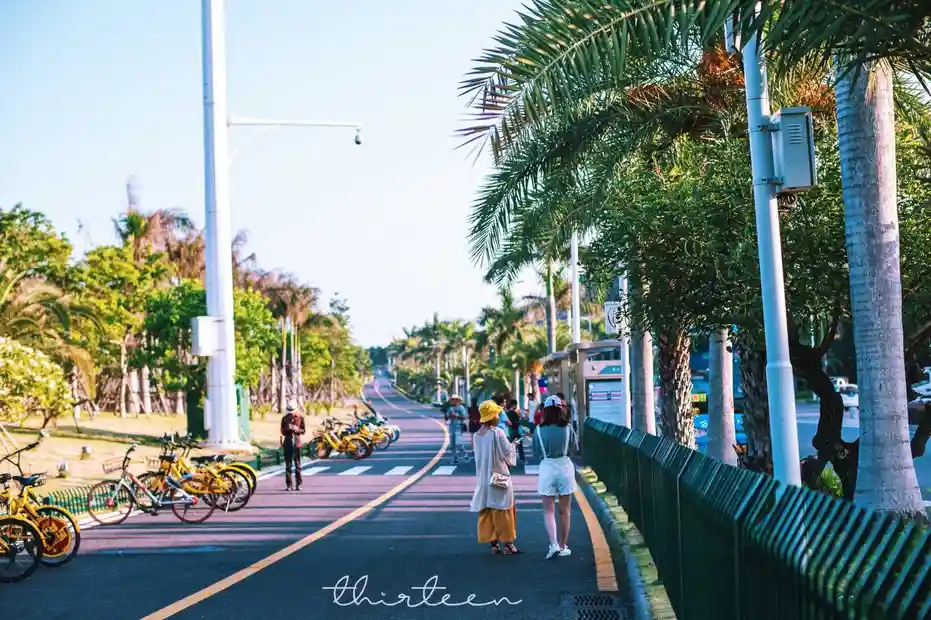
Huan Dao Road isn’t just another tourist trail. It’s where city meets sea, and tradition walks hand-in-hand with modern life. The 6-kilometer loop hugs the coastline, offering uninterrupted views of the water, nearby islands, and lush greenery.
What makes it unique? Unlike crowded shopping streets or indoor museums, this path invites slow travel. You can walk, jog, or simply sit and watch fishermen mend their nets. Locals come here to exercise, meditate, or enjoy sunset views.
The road connects several small parks, temples, and historical markers. Along the way, you’ll pass century-old colonial buildings and hear snippets of Min Nan dialect spoken by elderly residents.
It’s not only beautiful but also accessible. There are benches, restrooms, and shaded areas throughout. That makes it ideal for families, solo travelers, and seniors alike.
Whether you’re seeking peace, photography opportunities, or a taste of real Xiamen life, Huan Dao Road delivers.
How to Get to Huan Dao Road
Reaching Huan Dao Road is simple if you know where to start. Most visitors begin at Zhongde Palace or near Sunlight Rock on Gulangyu Island. Ferries run regularly from Xiamen Island to Gulangyu Pier.
Once off the ferry, follow signs toward Longtou Road. From there, head south along the coast until you reach the official entrance of the walking trail.
You can also access parts of the path from other points like Gangzaihou or White Horse Wharf. These offer quieter entry options if you want to skip the main crowd.
Public buses stop near ferry terminals on Xiamen side. Taxis and ride-hailing apps like DiDi work well too.
Pro tip: Arrive early in the morning. Ferries get busy after 9 a.m., especially on weekends.
Here’s a quick reference:
| Option | Duration | Notes |
|---|---|---|
| Ferry + Walk | 30 mins | Most scenic route |
| Taxi to Pier | 15 mins | Direct but pricier |
| Public Bus | 40–50 mins | Budget-friendly |
Remember: Motor vehicles aren’t allowed on Gulangyu, so wear comfortable shoes!
Best Time to Visit Xiamen Huan Dao Road
Timing matters when exploring outdoor spaces in southern China. Xiamen enjoys a subtropical climate — warm and humid most of the year.
Spring (March to May) is widely considered the best season. Temperatures hover between 18°C and 25°C. Flowers bloom along the roadside, and the air feels fresh.
Autumn (September to November) is nearly as good. Humidity drops, skies clear up, and festivals bring extra energy to the island.
Avoid July and August if possible. These months bring high heat, strong sun, and occasional typhoons. Even early mornings can feel sticky.
For daily timing, aim for sunrise or late afternoon. Mornings offer soft light and fewer people. Sunset turns the sky pink and gold — perfect for photos.
Midday tends to be busiest and hottest. If you must go then, carry water and wear a hat.
Also consider weekdays over weekends. Locals love weekend strolls, which means packed pathways and full benches.
Must-See Sights Along the Path
Walking Xiamen Huan Dao Road reveals more than ocean views. Each stretch highlights something different — architecture, nature, art, or history.
Start at **Sunlight Rock**, the highest point on Gulangyu. Climb the steps for panoramic views of the harbor and surrounding hills.
Next, pass **Zhongde Palace**, an old temple dedicated to maritime safety. Fishermen still leave offerings here before heading out to sea.
As you move west, look for **art installations** embedded in the pavement. Some show maps of ancient trade routes; others feature poetic lines in both Chinese and English.
Don’t miss the **lychee tree grove** near the halfway mark. Planted decades ago, these trees provide shade and sometimes fruit in summer.
Further along, you’ll spot **colonial-era villas** with red roofs and arched windows. Many now serve as cafes or guesthouses.
And always keep an eye on the water. Dolphins have been spotted offshore during calm mornings.
Key stops include:
– Sunlight Rock viewpoint
– Zhongde Palace temple
– Lychee Tree Rest Area
– Sculpture Garden section
– Colonial Architecture Zone
Each offers a chance to pause, reflect, and take in the surroundings.
Hidden Gems Near Huan Dao Road
While the main path draws attention, some of the best experiences happen just off the beaten track.
Just inland from the northern end, a narrow lane leads to **Little White City** — a quiet park with stone walls and ocean breezes. Few tourists find it, making it ideal for solitude.
Another secret? A tiny **street food cart** near Gangzaihou that serves oyster omelets made fresh each morning. Look for the blue umbrella and long line of locals.
Photographers should check out the **rocky cove** between mile markers 3 and 4. At low tide, tidal pools form, filled with crabs and seaweed.
If you’re visiting in spring, ask residents about the **peach blossom alley** behind the old schoolhouse. It blooms briefly but beautifully each March.
And don’t overlook the **community bulletin board** near the restroom at kilometer 5. It lists upcoming events — choir practice, tai chi classes, even poetry readings.
These small moments often become the highlight of a trip. So stay curious, smile at passersby, and wander slightly off-route.
What to Bring for Your Walk
Packing smart enhances comfort and safety on any long walk — especially one exposed to sun and wind.
Start with footwear. Choose breathable, supportive shoes. Flip-flops may seem cool, but they cause fatigue over 6 kilometers.
Wear lightweight clothing. Cotton or moisture-wicking fabric works best. A wide-brimmed hat and sunglasses protect against UV rays.
Carry a reusable water bottle. Hydration stations are limited, though some vendors sell drinks.
Sunscreen is non-negotiable. Reapply every two hours if you’re out all morning or afternoon.
Other useful items:
– Phone charger (for photos and maps)
– Light backpack
– Snacks (nuts, fruit bars)
– Small towel (sweat or beach use)
Avoid bringing large bags or valuables. Theft is rare, but caution helps.
Lastly, download an offline map. Cellular signal can drop in certain sections.
Cultural Etiquette Tips for Visitors
Respect goes a long way when walking through a living neighborhood. Huan Dao Road isn’t just a tourist spot — it’s part of daily life for many locals.
Keep noise levels down, especially near homes and temples. Loud talking or music may disturb residents.
When taking photos of people, ask first. A simple “May I take a picture?” with a smile usually gets a yes.
Dress modestly near religious sites. Cover shoulders and knees when near temples or prayer areas.
Dispose of trash properly. Bins are placed regularly, but some stretches lack them. Carry a small bag for wrappers or tissues.
Feeding wildlife might seem kind, but it disrupts natural behavior. Avoid tossing food into the water or giving snacks to birds.
And remember: This path is shared space. Cyclists and joggers use it too. Stay to the right unless passing.
Following these small rules shows respect and helps preserve the area’s charm.
Dining Options Close to Xiamen Huan Dao Road
After a long walk, nothing beats a satisfying meal. Lucky for you, Gulangyu offers delicious local flavors within minutes of the trail.
Near the southern exit, try **Lin Family Oyster Cake Shop**. Their signature dish combines crispy batter with juicy oysters — a Xiamen classic.
For something sweet, visit **Auntie Fang’s Peanut Soup Stand**. Warm, nutty soup soothes tired legs and tastes like childhood comfort.
Cafes dot the route, many housed in restored colonial buildings. **Blue Horizon Café** has ocean-facing seating and excellent coffee.
Vegetarian? Head to **Lotus Root Restaurant** near the central plaza. They specialize in Buddhist-style dishes using seasonal produce.
Seafood lovers shouldn’t miss **Old Zhang’s Marina Eatery**. Grilled squid, steamed fish, and crab porridge are all popular choices.
Here’s a short list of top picks:
– Lin Family Oyster Cake – savory, local favorite
– Auntie Fang’s Peanut Soup – sweet, warming
– Blue Horizon Café – relaxed, great views
– Lotus Root Restaurant – plant-based, healthy
– Old Zhang’s Marina Eatery – fresh seafood
All are within a 10-minute walk from the main path.
Safety and Accessibility Info
Good news: Huan Dao Road is safe, well-maintained, and suitable for most fitness levels.
The surface is paved and mostly flat. Ramps and handrails assist those with mobility challenges. Wheelchairs and strollers can navigate most sections.
Still, a few areas have slight inclines or uneven tiles near garden entrances. Use caution in rainy weather — surfaces get slippery.
Emergency call boxes are installed every 500 meters. Staff patrol the route during daylight hours.
There are no wild animals to worry about, but jellyfish occasionally wash ashore in summer. Heed warning signs posted at beach zones.
Swimming isn’t allowed directly from the path. Designated swimming areas exist elsewhere on the island.
For families, note that young children should stay close to adults. Railings exist, but open edges remain near cliffs.
Overall, it’s one of Xiamen’s safest public spaces — peaceful, monitored, and welcoming.
Final Thoughts and Traveler Tips
Xiamen Huan Dao Road offers a rare blend of beauty, culture, and ease. It’s not just a walk — it’s a window into the soul of Gulangyu Island.
From sunrise strolls to evening chats with locals, every moment adds depth to your journey. With proper planning, respectful behavior, and curiosity, your visit can be both enjoyable and meaningful.
To recap:
– Go in spring or autumn for best weather
– Start early to beat crowds and heat
– Bring water, sunscreen, and good shoes
– Explore side paths for hidden gems
– Respect local customs and shared spaces
Whether you walk the full loop or just a segment, let yourself slow down. Listen to the waves. Breathe the salty air. Let the rhythm of the coast guide your steps.
And when you leave, you won’t just remember sights — you’ll carry the feeling of having touched real Xiamen life.
So lace up, step out, and let Huan Dao Road surprise you.