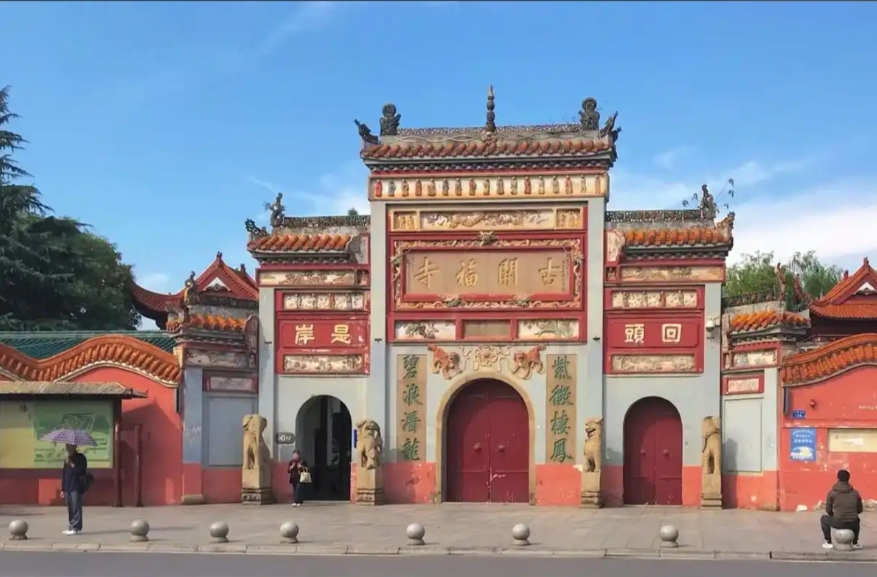
Discover the Heart of Academic Excellence in Xiamen
Xiamen University’s Siming Campus is more than just a top-tier academic institution. It’s a living museum of Chinese architectural heritage, natural beauty, and cultural history. Nestled along the coast of southern Fujian, this campus blends education with scenic charm.
Visitors from around the world come not only to admire its ivy-covered buildings but also to experience the unique atmosphere shaped by decades of scholarship and innovation. Whether you’re a prospective student, a tourist, or a culture enthusiast, there’s something deeply inspiring about walking these tree-lined paths.
This guide explores the rich history, iconic architecture, and practical visitor information for those planning to explore Xiamen University (Siming Campus). From its founding vision to modern-day accessibility, we’ll help you understand why this campus stands out in China’s higher education landscape.
Let’s begin with how it all started — a story rooted in patriotism, vision, and global influence.
The Founding Vision Behind Xiamen University
In 1921, Tan Kah Kee, a renowned overseas Chinese entrepreneur and philanthropist, established Xiamen University. His goal was clear: create a world-class university that would serve the nation through education.
Born in Fujian and successful in Southeast Asia, Tan believed educated citizens were key to China’s progress. He funded the university largely from his own wealth, making it one of the first modern universities in China founded by an individual rather than the state.
The original campus was built on Maling Hill, offering panoramic views of the sea and surrounding greenery. This location was carefully chosen — not just for beauty, but to inspire calm and focus among students.
Tan Kah Kee emphasized both academic rigor and moral development. He invited leading scholars and adopted Western-style curricula while preserving Chinese cultural values.
Today, the legacy lives on at Xiamen University (Siming Campus), where tradition meets innovation. The institution remains committed to international collaboration, research excellence, and public service.
Over time, the campus expanded academically and physically, becoming a symbol of educational perseverance in southern China.
A Walk Through Architectural Heritage
One of the most striking features of Xiamen University (Siming Campus) is its distinctive architecture. Buildings here blend Minnan regional styles with colonial influences, creating a unique aesthetic.
Red brick walls, curved swallowtail roofs, and ornate carvings define many structures. These designs reflect traditional Southern Fujian craftsmanship, adapted for modern academic use.
Notable examples include:
- Jiannan Hall – a grand assembly hall used for ceremonies
- Qunxian Building Complex – among the oldest surviving academic buildings
- Zhishu Hall – known for its symmetrical layout and historical significance
Many buildings were designed by Cai Jinyuan, a pioneering Chinese architect trained in the U.S. His work combined structural integrity with cultural symbolism.
What makes this architecture stand out is its integration with nature. Buildings follow the natural slope of the land, preserving trees and minimizing environmental disruption.
Even today, new constructions respect this design philosophy. Glass facades are limited; instead, architects prioritize harmony with existing structures.
This architectural continuity has helped the campus earn recognition as a “garden university” — a place where learning and environment coexist beautifully.
Why the Architecture Matters Today
Beyond aesthetics, the campus design supports well-being and creativity. Studies show that exposure to natural light, open spaces, and culturally meaningful environments enhances cognitive performance.
Students report feeling calmer and more focused when studying near historic courtyards or lakeside pavilions.
Moreover, the preservation of architectural identity strengthens community pride. Alumni often return simply to walk familiar paths and reconnect with their roots.
For visitors, the visual consistency across decades offers a rare sense of timelessness in modern China.
Natural Beauty Meets Urban Learning
Surrounded by hills and facing the Taiwan Strait, Xiamen University (Siming Campus) enjoys one of the most picturesque settings among Chinese universities.
Covering over 2.6 million square meters, the campus includes lush forests, quiet ponds, and coastal walkways. Bai Cheng Beach lies just beyond the southern edge, offering students a quick escape to sand and sea.
Key green zones include:
- Shangzhuang Garden – a classical Chinese garden with rockeries and koi ponds
- Lake Light Court – a central water feature surrounded by willow trees
- Wanshi Botanical Garden (nearby) – home to thousands of plant species
These areas aren’t just decorative. They play a role in microclimate regulation, noise reduction, and biodiversity conservation.
Seasonal changes bring subtle shifts: spring brings blooming cherry blossoms, while autumn highlights golden ginkgo leaves. Birdwatchers often spot kingfishers and egrets near wetland edges.
The university actively promotes ecological awareness through sustainability programs and green campus initiatives.
Students participate in tree planting, waste sorting, and energy-saving campaigns — reinforcing the idea that education extends beyond classrooms.
Academic Life at the Siming Campus
While the scenery draws attention, the core mission of Xiamen University (Siming Campus) remains academic excellence.
Home to over 20 schools and departments, the campus offers programs in economics, law, science, engineering, humanities, and medicine.
It hosts several national key laboratories and research centers, particularly strong in marine sciences, chemistry, and management studies.
Internationalization is a major focus. The university partners with institutions in the U.S., Europe, and ASEAN countries, facilitating student exchanges and joint research.
English-taught degree programs attract growing numbers of international students, especially in business and Chinese language studies.
Class sizes vary, but undergraduate courses often emphasize interactive learning. Professors encourage debate, critical thinking, and real-world application.
Campus libraries house millions of volumes, including rare editions and digital archives accessible worldwide.
Student life is vibrant, with over 100 clubs ranging from robotics to traditional opera. Cultural festivals, startup competitions, and volunteer projects keep schedules full.
Despite high academic standards, there’s a strong emphasis on balance — between study and rest, ambition and reflection.
Support Systems for Students
The university provides comprehensive support services:
- Career counseling and internship placement
- Mental health resources and peer mentoring
- Disability accommodations and inclusive facilities
- Language training for non-native speakers
These systems ensure that students can thrive both personally and professionally during their time at Xiamen University (Siming Campus).
Cultural Landmarks You Can’t Miss
Beyond classrooms and labs, the campus is filled with symbolic landmarks that reflect its identity.
Each site tells a story — of resilience, aspiration, or remembrance.
Here are five must-see spots:
| Landmark | Significance |
|---|---|
| Tan Kah Kee Memorial Hall | Honors the founder with exhibits on his life and contributions |
| Cherry Blossom Avenue | Famous spring photo spot; blooms late March to early April |
| Maritime Museum | Showcases China’s naval history and maritime trade routes |
| University Bell Tower | Symbolizes enlightenment; rung during graduation ceremonies |
| Statue of Lu Xun | Tribute to the famous writer who once taught here |
These sites aren’t just decorative. They serve as gathering points for events, reflections, and informal learning.
Guided tours are available weekly, led by trained student volunteers fluent in English and other languages.
Photography is encouraged, though flash may be restricted inside certain buildings.
Visitor Information and Practical Tips
Planning a visit? Here’s what you need to know before arriving at Xiamen University (Siming Campus).
Access is generally open to the public, but entry may require registration via the official app or website due to security policies.
Best times to visit:
- Morning (7:00–10:00): Fewer crowds, soft lighting for photos
- Spring (March–May): Cherry blossoms and mild weather
- Autumn (September–November): Comfortable temperatures and clear skies
Avoid national holidays like Golden Week (October 1–7), when campuses get crowded.
Admission is free, though some museums may charge a small fee (around ¥10–20).
Transportation options:
- Bus No. 21, 47, or BRT Line 1 to “Xiamen University” stop
- Taxi drop-off at South Gate or East Gate
- Bicycle rentals available nearby for self-guided tours
Wear comfortable shoes — the campus is large and hilly in parts.
Respect quiet zones near dormitories and lecture halls. Keep noise low and avoid trespassing into restricted areas.
Bring water, sunscreen, and a camera. There are snack stands and convenience stores scattered throughout.
Accessibility Notes
Ramps and elevators are available in major buildings. Wheelchair rentals are limited, so it’s best to bring your own if needed.
Restrooms are clean and widely distributed. Baby-changing stations are located in main administrative buildings.
How Xiamen University Shapes Future Leaders
At its heart, Xiamen University (Siming Campus) isn’t just about preserving the past — it’s about shaping the future.
Graduates go on to lead in government, tech startups, academia, and NGOs. Many become bridges between China and the global community.
The university fosters innovation through incubators, entrepreneurship courses, and industry partnerships.
Recent alumni have launched ventures in AI, renewable energy, and cross-border e-commerce — often citing campus culture as a key influence.
Ethical leadership is another pillar. Courses in social responsibility and sustainable development are integrated into multiple disciplines.
Global challenges like climate change and inequality are addressed through interdisciplinary research teams based right here.
In short, the campus functions as a microcosm of progressive society — diverse, forward-thinking, and grounded in values.
Its impact reaches far beyond Xiamen, influencing policy and practice across Asia and beyond.
Final Thoughts: Why This Campus Deserves Your Attention
Xiamen University (Siming Campus) offers a rare combination: academic prestige, architectural beauty, and natural serenity.
It stands as a testament to what visionary leadership and cultural pride can achieve.
Whether you’re considering applying, planning a visit, or simply exploring Chinese higher education, this campus provides deep insight into how tradition and modernity can coexist.
Take the time to walk its paths, absorb its energy, and learn from its stories.
And if you ever find yourself near the coast of southern Fujian, don’t miss the chance to experience one of China’s most beautiful and meaningful academic spaces firsthand.