Deciding Between China’s Coastal Gems: It’s Not Just About Beaches
Picture this: You’re planning a trip to China’s east coast, dreaming of salty breezes and cultural immersion. But Xiamen and Qingdao both promise coastal charm—so which one actually feeds your soul with deeper cultural experiences? Spoiler: This isn’t about who has prettier beaches (though both do). It’s about whether you crave the whisper of colonial pianos or the clink of beer mugs against Confucian tradition. Let’s cut through the tourist brochures and uncover what makes each city’s cultural heartbeat unique.
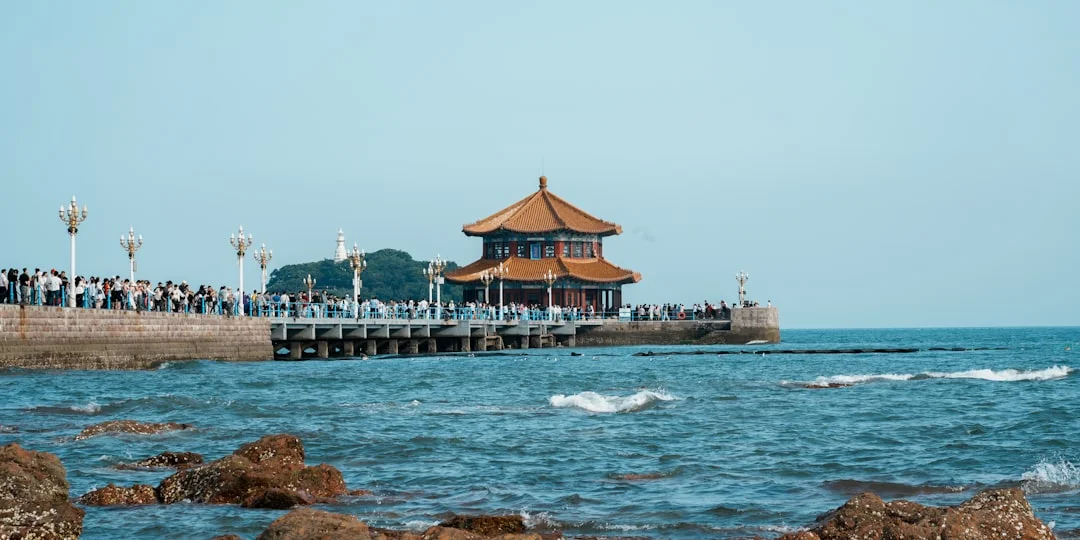
Xiamen’s Cultural Tapestry: Where the Sea Meets Heritage
Nestled in Fujian Province, Xiamen breathes Minnan culture—a vibrant blend of Hokkien traditions, maritime history, and overseas Chinese influences. Think less ‘mainland China’ and more ‘gateway to Southeast Asia.’
Colonial Echoes on Gulangyu Island
This UNESCO World Heritage site is Xiamen’s crown jewel. Once home to 19 consulates and wealthy Chinese diaspora, Gulangyu feels like stepping into a piano-filled time capsule (it’s called ‘Piano Island’ for a reason!). You’ll find:
- Over 1,000 historic buildings mixing Southern Fujian, Western neoclassical, and Southeast Asian styles
- No cars allowed—just winding lanes and the distant sound of piano lessons
- The Shuzhuang Garden, where traditional Chinese landscaping meets ocean vistas
Unlike typical colonial remnants, Gulangyu’s architecture tells a story of collaboration—local merchants and returnees from Malaysia/Singapore shaping the aesthetic.
Minnan Traditions Beyond the Tourist Trail
Xiamen’s culture thrives in everyday life:
- Nanyin music: Ancient string-and-bamboo performances dating back 1,000 years (catch free shows at parks near dusk)
- Besiang temples: Blend Taoist, Buddhist, and folk deities—visit Nanputuo Temple for incense-filled mornings
- Tea ceremonies: Fujian is oolong’s birthplace; join a gongfu tea session in a local’s home
Pro tip: Wander Zengcuo’an village—a former fishing hamlet now buzzing with indie cafes in restored Minnan houses. This is where culture feels alive, not staged.
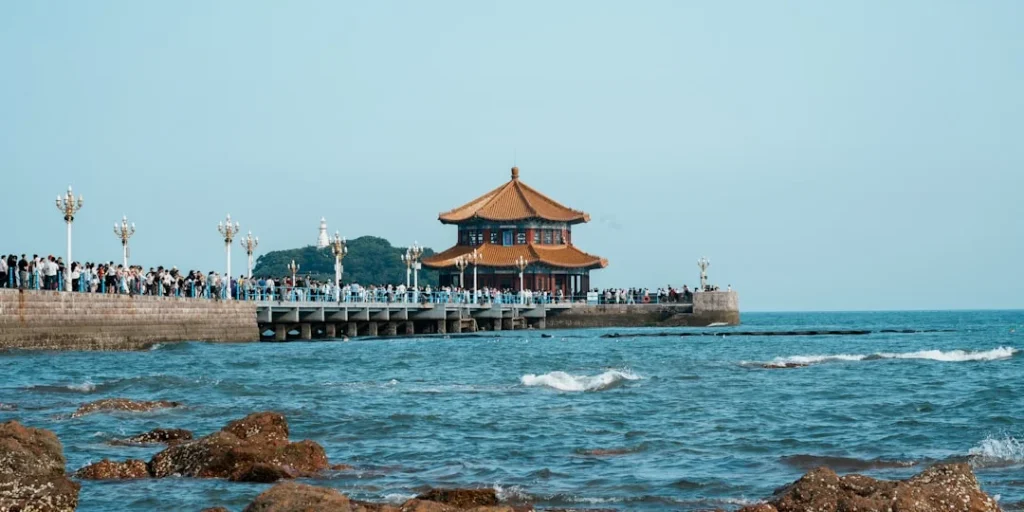
Qingdao’s Cultural Blend: German Beer Meets Shandong Roots
Shandong Province’s Qingdao wears its German colonial past (1898-1914) like a well-tailored suit—but underneath beats the pulse of Confucian heartland culture. It’s China’s most ‘European’ city with unapologetically Chinese soul.
Beer, Cathedrals, and Colonial Contrasts
Qingdao’s skyline is a visual debate between East and West:
- Tsingtao Beer Museum: Housed in Germany’s 1903 brewery—sample unfiltered brews where history fermented
- St. Michael’s Cathedral: Twin spires dominating the skyline, yet locals picnic in its courtyard
- Zhongshan Road: Shop German-era arcades by day, then hear Shandong qinshu storytelling at night
Here’s the twist: Qingdao’s colonial architecture isn’t just preserved—it’s reclaimed. Those German bakeries now serve gua bao (steamed buns), and beer halls echo with Shandong opera.
Confucian Currents Beneath the Surf
Don’t mistake Qingdao for just a beach town. As part of Shandong—the birthplace of Confucius—it channels ancient philosophy subtly:
- Laoshan Mountain: Hike Taoist temples where monks still practice qigong at dawn
- Qingdao International Beer Festival (August): Yes, it’s rowdy—but watch how locals toast with ganbei! (bottoms up!) respecting communal bonds
- Seafood culture: Diners share huanghua fish steamed whole—a nod to Confucian ‘harmony with nature’
Unlike Xiamen’s diaspora-focused vibe, Qingdao’s culture feels rooted in mainland Chinese identity with foreign flavors sprinkled in.
Head-to-Head Cultural Showdown: Where Do You Belong?
Let’s cut to the chase with this comparison:
| Cultural Aspect | Xiamen Wins If… | Qingdao Wins If… |
|---|---|---|
| Historical Layers | You want maritime trade history & overseas Chinese stories | You’re fascinated by colonial-industrial fusion |
| Architecture | Eclectic East-meets-Southeast Asia styles | Cohesive German-era buildings with Chinese adaptations |
| Food Culture | Tea rituals, Hokkien mee, and tropical fruit markets | Beer-paired seafood feasts and Confucian banquet traditions |
| Local Vibe | Relaxed, artistic, diaspora-connected | Vibrant, communal, proudly Shandong |
Choose Xiamen If You…
- Want to trace the Maritime Silk Road through living culture
- Prefer intimate cultural experiences (e.g., tea ceremonies in village homes)
- Love tropical accents in traditions—think banana-leaf-wrapped lor bak (braised pork)
Choose Qingdao If You…
- Crave that ‘East meets West’ buzz in daily life
- Want to explore how Chinese culture absorbs foreign influences (like beer becoming ‘national’)
- Seek philosophical depth beneath the surface—Confucian values in modern social customs
The Verdict: Culture Isn’t ‘Better’—It’s About Your Story
Here’s what travel blogs won’t tell you: Neither city ‘wins’ at culture. Xiamen offers a porous cultural identity shaped by ocean currents and diaspora. Qingdao delivers a layered identity where foreign elements were digested into something uniquely Chinese.
Your perfect match depends on what resonates:
- For intimate, soulful connections with Southern Chinese traditions? Xiamen’s your harbor.
- For dynamic cultural collisions where beer halls hum with ancient values? Qingdao’s calling.
Still torn? Consider this: Xiamen shines in spring (March-May) when tea harvests buzz, while Qingdao’s cultural pulse peaks during August’s Beer Festival. Whichever you choose, pack curiosity—not just sunscreen. Because the real cultural treasure isn’t in the guidebooks; it’s in the laolao (grandma) who teaches you to fold dumplings, or the fisherman sharing stories over oyster omelets. That’s the magic no comparison chart can capture.